
 is VERIFIED as of 5/23/2026




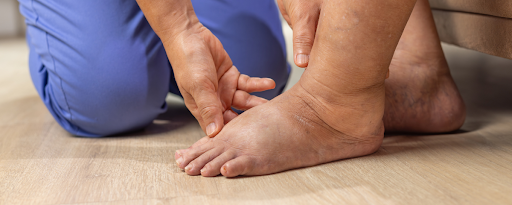
Diabetic wound care at home requires a structured, clinically informed approach. Patients with diabetes face impaired healing due to reduced circulation, neuropathy, and a higher risk of infection. Receiving care in the home setting can improve comfort, consistency, and outcomes when managed correctly. Understanding what to expect helps patients, caregivers, and referral partners make informed decisions and avoid complications.
Why diabetic wounds require specialized care
Diabetic wounds, especially foot ulcers, are complex and slow to heal. Elevated blood glucose levels impair immune response and reduce oxygen delivery to tissues. Neuropathy can prevent patients from feeling pressure or injury, allowing wounds to worsen unnoticed.
Effective in-home care focuses on:
- Regular assessment of wound progression
- Infection prevention and early intervention
- Pressure offloading to reduce tissue damage
- Blood sugar management support
- Patient and caregiver education
Without proper oversight, even small wounds can progress to serious complications, including hospitalization or amputation.
What happens during in-home wound care visits
In-home diabetic wound care is typically delivered by skilled clinicians such as wound care nurses or advanced practitioners. Each visit follows a structured protocol tailored to the patient's condition.
A typical visit includes:
Comprehensive wound assessment
The clinician evaluates size, depth, drainage, tissue type, and signs of infection. Measurements are documented consistently to track healing over time.
Wound cleaning and debridement
The wound is cleansed using appropriate solutions. If necessary, non-viable tissue is removed to promote healing. This may be done conservatively depending on the care plan.
Dressing selection and application
Dressings are chosen based on moisture balance, exudate level, and infection risk. Advanced dressings may include antimicrobial, hydrocolloid, alginate, or foam materials.
Offloading and pressure management
Reducing pressure is critical, especially for foot ulcers. This may involve specialized footwear, padding, or positioning strategies within the home.
Care plan updates and coordination
Clinicians communicate with physicians, caregivers, and other providers to adjust treatment as needed.
The role of caregivers in diabetic wound care at home
Caregivers play a central role between clinical visits. Their involvement directly impacts healing outcomes.
Key responsibilities often include:
- Monitoring for signs of infection such as redness, swelling, or odor
- Assisting with dressing changes if instructed
- Ensuring the patient follows offloading recommendations
- Supporting proper nutrition and hydration
- Helping maintain blood glucose control
Education is a core part of in-home services. Care teams provide clear instructions so caregivers can confidently support daily care without increasing risk.
Benefits of receiving diabetic wound care at home
Home-based care offers several clinical and practical advantages compared to traditional outpatient settings.
Reduced risk of complications
Patients avoid exposure to hospital-acquired infections and reduce delays in treatment.
Improved adherence to care plans
Care delivered in the home increases consistency, particularly for patients with mobility challenges.
Personalized environment assessment
Clinicians can identify environmental factors such as fall risks, pressure points, or hygiene concerns that may impact healing.
Convenience and comfort
Eliminates transportation barriers and allows patients to remain in a familiar setting.
When to seek in-home wound care services
Not all wounds require advanced care, but certain signs indicate the need for professional in-home management:
- Wounds that do not improve within 1 to 2 weeks
- Increasing pain, drainage, or odor
- Black or necrotic tissue present
- Signs of infection such as fever or spreading redness
- Patients with known diabetic neuropathy or vascular disease
Early intervention is critical. Delaying care often leads to more intensive treatment later.
How to choose the right in-home wound care provider
Selecting a qualified provider ensures both safety and outcomes. Not all in-home services are equipped to manage the complexity of diabetic wounds, so it is important to look for a team with the right clinical depth and coordination.
Look for:
- Clinicians with specialized wound care training
- Experience with diabetic wound management
- Use of evidence-based treatment protocols
- Strong communication with referring physicians
- Clear patient and caregiver education processes
Providers that integrate care coordination and ongoing monitoring typically achieve better healing rates and fewer complications.
For patients, caregivers, and healthcare partners seeking reliable diabetic wound care at home, working with a dedicated mobile wound care team can streamline treatment and reduce delays. Our team delivers advanced wound care directly to the home, collaborates closely with physicians, and provides hands-on education to support healing between visits. If you are managing a diabetic wound or supporting someone who is, reaching out early can make a meaningful difference in recovery outcomes.